Merit and the Egyptian God Vol 1 (2022) by Yukari Sakai, Fuyu Tsuyama and Yukimi Hashimoto Manga Review
Hana to Yume is one of the most popular shoujo manga magazines that feature fantasy or supernatural series. Among its recent titles is “Merit and the Egyptian God” by Yukari Sakai, Fuyu Tsuyama and Yukimi Hashimoto that explores Egyptian mythology.
Buy This Titleby clicking on the image below
The story begins with a girl named Merit who is suddenly transported to the Underworld and immediately put on an afterlife trial. Amid her shock at still being alive, she tries to escape when she accidentally bumps into Anubis, who is not what she imagined a divine being to be. Despite his immense authority, the god would rather spend his days as a recluse while neglecting his duties.
Our heroine then learns that his indifference angered the other gods, causing Anubis to be cursed and become stuck in mortal form. The only way to break it is through a living human. Since he is her only key to the realm of the living, Merit decides to make a deal with the Lord of the afterlife. She will help the idle lord slowly regain his appreciation for humans and get his original form back.
With years of experience writing shoujo manga, Tsuyama creates a character who overcomes challenges without giving up and sees everything on the bright side, a suitable role model for the series’ teen readers. However, she also serves as a counterpart to Anubis, who tends to think negatively of others and sometimes even himself. Despite her tragic situation, Merit is always an optimist. At times, she gets irritated by Anubis or the other deities, but still tries to remain mature. Even in crises such as almost getting killed by the King of the Underworld, Osiris, the protagonist is still determined to fix the curse.
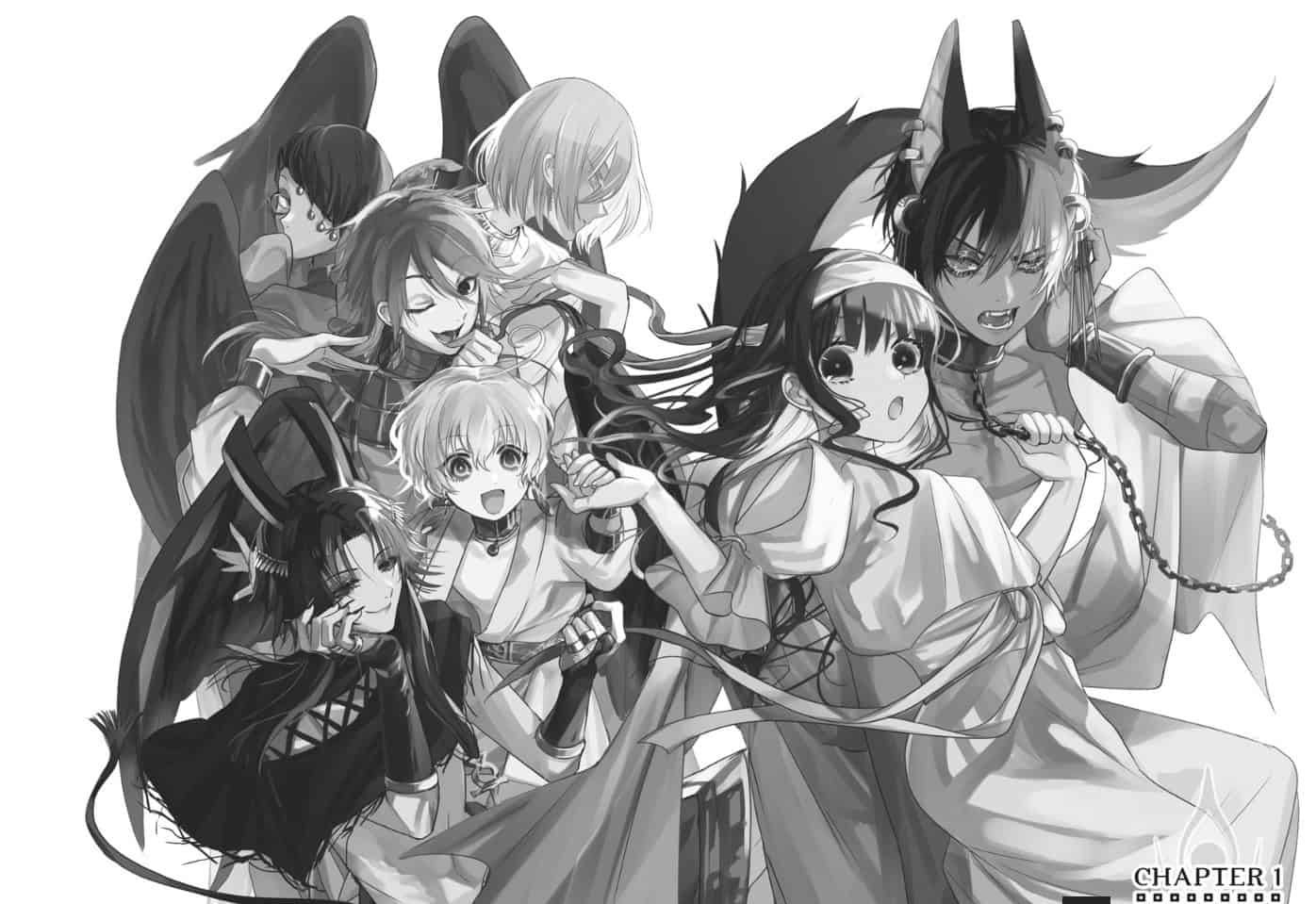
The manga credits Yukimi Hashimoto as an Egyptian Culture Supervisor, who is a writer, illustrator, and researcher who focuses on ancient Egypt. This is evident in Sakai’s art and character design. Each scene of the temple where the main cast resides contains small details of culture, with the addition of sparkling effects that give it a more fantasy feel.
The gods’ designs are also loosely based on Egyptian iconography. A prominent example is how Anubis is depicted with dog ears and Horus with hawk wings. Additionally, the holy beings are portrayed wearing various accessories such as headdresses and necklaces. In ancient Egypt, these were reserved for royals and supreme beings as a sign of authority. Meanwhile, Merit is seen wearing regular clothes and a simple headband to show how she is a common human among the dwellers of the Underworld.
On the other hand, the same is not reflected in the cast’s physical appearance. Most are illustrated with light pale skin. The only dark-skinned character is Anubis, who is a black dog in his original form. This creates a somewhat whitewashed depiction of the setting. While it doesn’t directly affect the narrative, it might reinforce inaccurate beliefs about how ancient Egyptians may have looked to an audience that is unfamiliar with the culture.
Overall, “Merit and the Egyptian God” is a story of how selflessness and optimism are able to help break down prejudice. While it lacks some cultural accuracy, it is also an exploration of mythology that appeals to shoujo manga enthusiasts with fantasy and romantic comedy elements. As the series progresses and more characters are introduced, it builds anticipation for how Anubis’ relationships with other gods will unfold and how Merit will help him make amends.
Tags:Fuyu TsuyamaMerit and the Egyptian GodYen PressYukari SakaiYukimi Hashimoto
Buy This Titleby clicking on the image below
The story begins with a girl named Merit who is suddenly transported to the Underworld and immediately put on an afterlife trial. Amid her shock at still being alive, she tries to escape when she accidentally bumps into Anubis, who is not what she imagined a divine being to be. Despite his immense authority, the god would rather spend his days as a recluse while neglecting his duties.
Our heroine then learns that his indifference angered the other gods, causing Anubis to be cursed and become stuck in mortal form. The only way to break it is through a living human. Since he is her only key to the realm of the living, Merit decides to make a deal with the Lord of the afterlife. She will help the idle lord slowly regain his appreciation for humans and get his original form back.
With years of experience writing shoujo manga, Tsuyama creates a character who overcomes challenges without giving up and sees everything on the bright side, a suitable role model for the series’ teen readers. However, she also serves as a counterpart to Anubis, who tends to think negatively of others and sometimes even himself. Despite her tragic situation, Merit is always an optimist. At times, she gets irritated by Anubis or the other deities, but still tries to remain mature. Even in crises such as almost getting killed by the King of the Underworld, Osiris, the protagonist is still determined to fix the curse.
The manga credits Yukimi Hashimoto as an Egyptian Culture Supervisor, who is a writer, illustrator, and researcher who focuses on ancient Egypt. This is evident in Sakai’s art and character design. Each scene of the temple where the main cast resides contains small details of culture, with the addition of sparkling effects that give it a more fantasy feel.
The gods’ designs are also loosely based on Egyptian iconography. A prominent example is how Anubis is depicted with dog ears and Horus with hawk wings. Additionally, the holy beings are portrayed wearing various accessories such as headdresses and necklaces. In ancient Egypt, these were reserved for royals and supreme beings as a sign of authority. Meanwhile, Merit is seen wearing regular clothes and a simple headband to show how she is a common human among the dwellers of the Underworld.
On the other hand, the same is not reflected in the cast’s physical appearance. Most are illustrated with light pale skin. The only dark-skinned character is Anubis, who is a black dog in his original form. This creates a somewhat whitewashed depiction of the setting. While it doesn’t directly affect the narrative, it might reinforce inaccurate beliefs about how ancient Egyptians may have looked to an audience that is unfamiliar with the culture.
Overall, “Merit and the Egyptian God” is a story of how selflessness and optimism are able to help break down prejudice. While it lacks some cultural accuracy, it is also an exploration of mythology that appeals to shoujo manga enthusiasts with fantasy and romantic comedy elements. As the series progresses and more characters are introduced, it builds anticipation for how Anubis’ relationships with other gods will unfold and how Merit will help him make amends.
Tags:Fuyu TsuyamaMerit and the Egyptian GodYen PressYukari SakaiYukimi Hashimoto